Helps operator accurately reclassify fractures
Download PDFWellbore coverage

Permian Basin

High-resolution imaging has long been used in water-based mud where the conductive mud environment benefits the use of resistivity imaging. In oil-based mud, the resistive mud properties make it difficult to gain high-resolution resistivity images. This is further complicated by the relationship between the frequency of the electrical signal and the varied response to different resistivities.
An operator in the Permian Basin wanted to enhance fracture analysis and accurately classify fractures in oil-based mud.
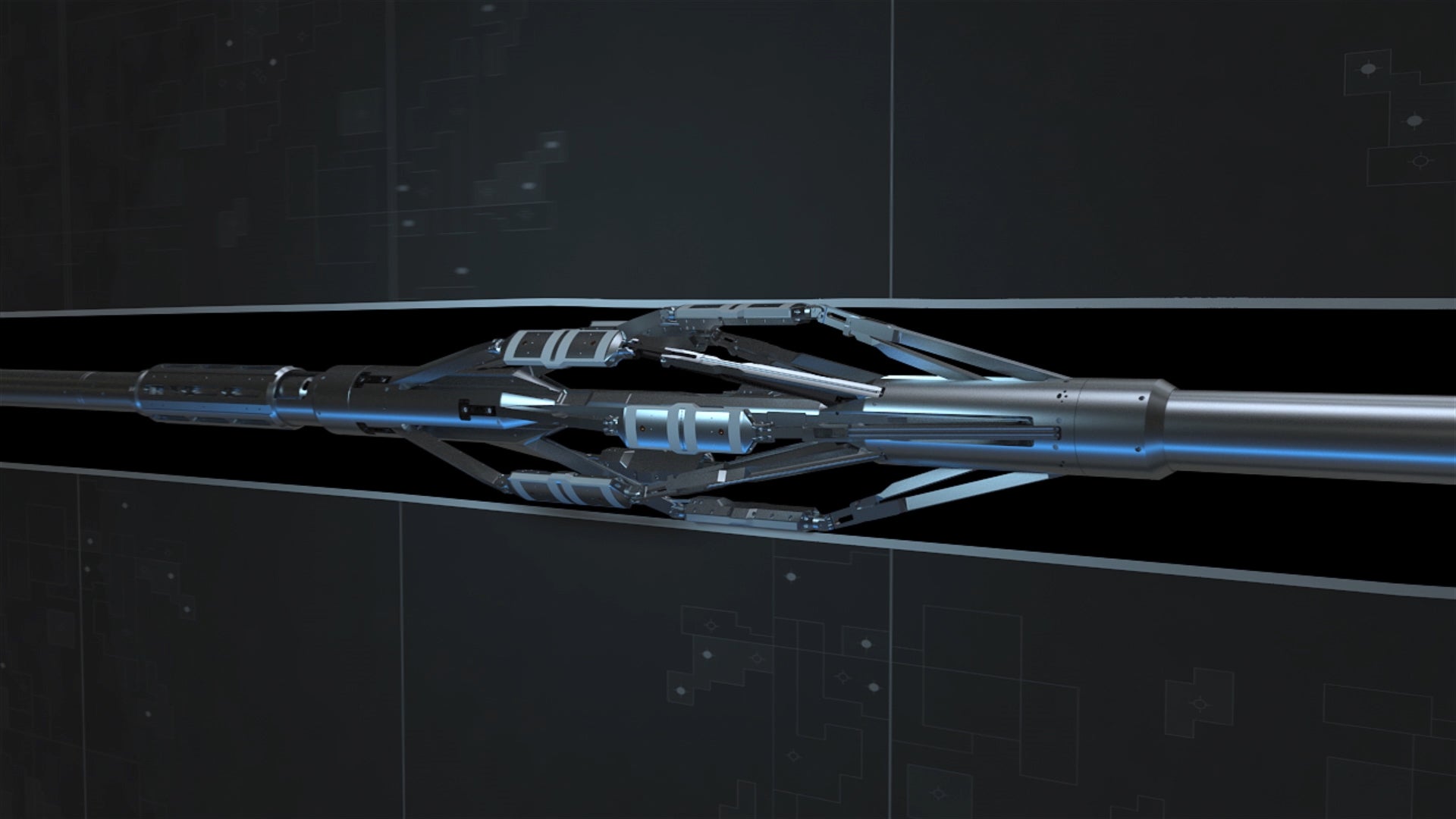
Halliburton designed the StrataXaminer® 6 and 8 high-resolution images in oil-based mud tools to work at high frequencies to allow image tools or imagers a signal to pass from small transmitting electrodes to a receiving electrode in a resistive environment. High borehole coverage up to 100% can be achieved in an 8 in. borehole when using the 24 buttons on each of the eight pads of the StrataXaminer 8.
Pads of the StrataXaminer
Buttons used
High borehole coverage
fractures reclassified
This hybrid inversion enabled the operator to enhance their fracture analysis. The standoff image played a pivotal role in fracture characterization, which resulted in approximately 30% of fractures to be reclassified. This had significant impact on dynamic production modeling.
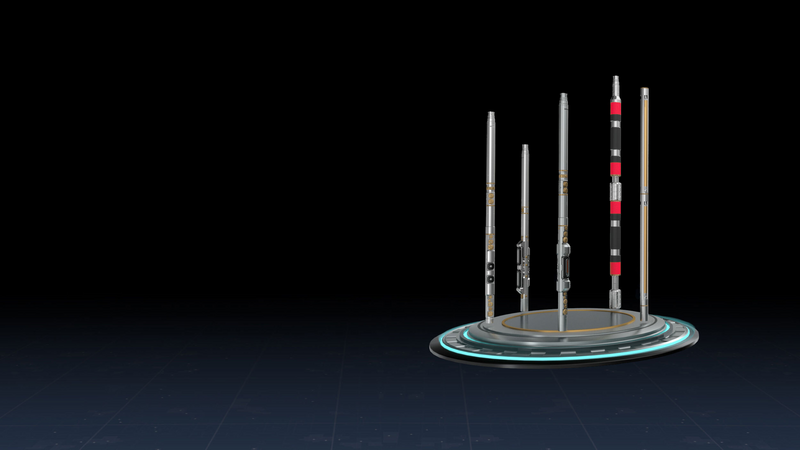
Reservoir Xaminer™ grants high-quality formation evaluation data in real-time for improved data quality, optimized rig time, and a higher asset value.
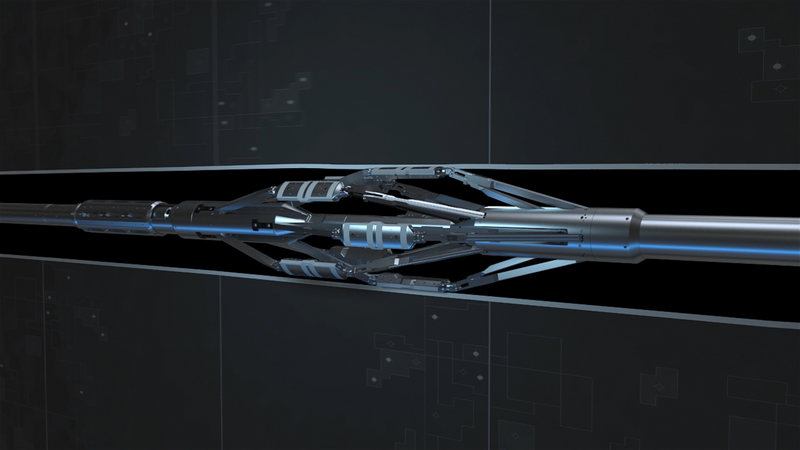
StrataXaminer™ provides more accurate well data to better evaluate production potential and increase return on investment.